
Which Luxury Lighting Design Style Best Matches Your Interior Concept?
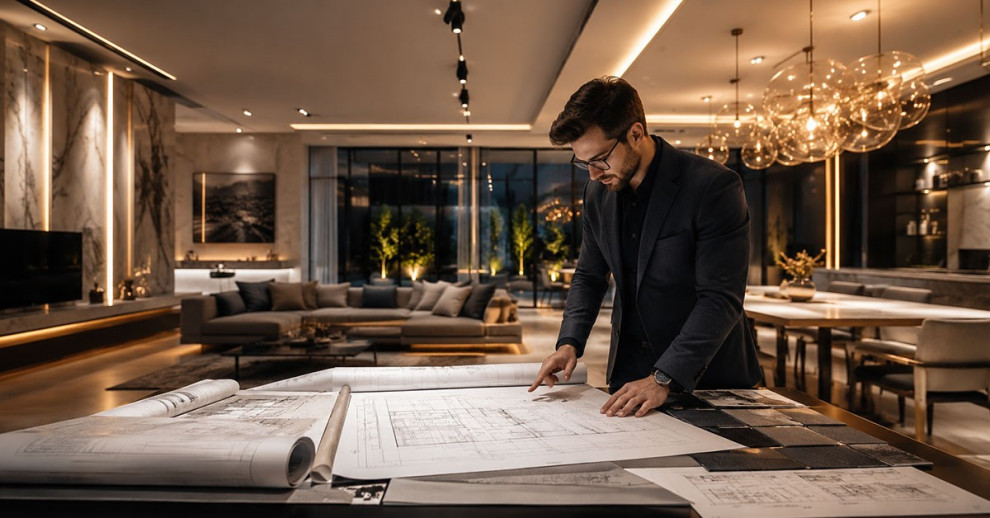
Luxury lighting should reflect your interior story rather than follow design trends. This guide compares contemporary, modern, minimalist, transitional, classic, hospitality-inspired, and boutique luxury lighting styles while explaining how thoughtful planning creates timeless, personalized homes. It also shows how a professional lighting strategy supports comfort, beauty, and long-term value from concept through completion.
A single lighting decision can quietly raise your home's value, change your mood, and redefine every room without moving a single wall. The real question is simple. Which lighting style truly belongs to your story? Working with an experienced interior lighting designer helps you answer that question with confidence rather than costly guesswork.
Your lighting is never just about brightness. It shapes emotions, influences movement, highlights craftsmanship, and gives every room its personality. A beautiful interior with the wrong lighting feels unfinished, while the right lighting transforms even the simplest details into memorable experiences.
Luxury homes deserve more than trendy fixtures. They deserve thoughtful lighting that reflects the people living inside them. That is why choosing a lighting design style should always happen alongside your interior concept instead of becoming an afterthought.
Yet many homeowners struggle with one common problem. They admire countless luxury homes online but cannot identify why each space feels different. The answer usually lies in the lighting philosophy behind the design.
Before you settle on a fixture, one overlooked detail could completely change your decision.
Why Your Lighting Style Should Match Your Interior Story
Every luxury home tells a story. Some celebrate clean simplicity. Others embrace tradition or artistic expression. Lighting acts like the narrator. It guides the eye toward the moments you want people to remember.
When lighting clashes with your furnishings, finishes, or architecture, the entire space feels disconnected. Even expensive materials lose their impact. A carefully selected lighting approach creates harmony from room to room and makes every design decision feel intentional.
This is exactly why experienced designers begin with your lifestyle before discussing fixtures. Your daily routines matter just as much as your preferred aesthetic.
Contemporary Luxury Lighting: Confident Without Feeling Cold
Contemporary lighting celebrates today's lifestyle. Expect sculptural pendants, geometric forms, layered illumination, and innovative technology working together.
This style works beautifully if your home features open layouts, large windows, textured finishes, and statement furniture. Instead of dominating the room, the lighting becomes modern artwork that supports everyday living.
Choose contemporary lighting if you appreciate flexibility, sophisticated simplicity, and spaces that feel current without chasing every passing trend.
Modern Lighting: Less Decoration, More Purpose
Modern lighting follows one simple rule. Every piece should have a clear purpose.
Fixtures feature clean silhouettes, balanced proportions, and understated elegance. Neutral colors and premium finishes allow architecture to take center stage rather than excessive ornamentation.
For families wanting timeless interiors, modern lighting offers longevity. It rarely feels dated because its beauty comes from restraint instead of decoration.
Minimalist Lighting: When Silence Becomes Luxury
Minimalism is often misunderstood. Empty rooms are not the goal. Thoughtful editing is.
Minimalist lighting removes visual noise while maximizing comfort. Hidden LED strips, recessed lighting, slim pendants, and soft indirect illumination create calm surroundings without demanding attention.
If your home is your retreat from a busy schedule, minimalist lighting allows every room to breathe naturally.
Transitional Lighting: The Perfect Balance Between Old and New
Many homeowners hesitate between traditional elegance and modern simplicity. Transitional lighting bridges both worlds beautifully.
You may find classic chandeliers with cleaner lines or contemporary fixtures finished in warm metals that complement timeless architecture. This balanced approach works especially well during luxury renovations because it respects existing character while introducing fresh sophistication.
Families planning to stay in their homes for years often appreciate transitional lighting because it adapts gracefully as tastes evolve.
Classic Luxury Lighting Never Goes Out of Style
Classic interiors celebrate craftsmanship, proportion, and enduring beauty. Lighting follows the same principles.
Crystal chandeliers, decorative sconces, elegant lanterns, and carefully detailed fixtures create richness without overwhelming the room. Every piece feels refined because it belongs to a carefully considered composition.
Classic lighting pairs beautifully with natural stone, detailed millwork, premium wood finishes, and traditional architectural features commonly found throughout affluent Chicago suburbs.
Hospitality-Inspired Lighting Brings Five-Star Comfort Home
Luxury hotels understand something many homes overlook. Comfort begins with layered lighting.
Instead of relying on one central fixture, hospitality-inspired interiors combine ambient, task, accent, and decorative lighting. Every activity receives its own carefully planned illumination.
The result feels welcoming from morning until night. Reading becomes easier. Entertaining feels effortless. Quiet evenings become noticeably more relaxing.
There is one luxury lighting approach designers quietly recommend most often—and it may surprise you.
Boutique Luxury Lighting Creates A Home That Exists Only Once
Boutique luxury lighting refuses to follow templates. Instead, it responds to your architecture, your routines, your collections, and your personal memories.
Every fixture feels intentionally selected rather than purchased as part of a matching set. Custom finishes, artisan lighting, layered textures, and personalized focal points create spaces that cannot be duplicated elsewhere.
This approach reflects the philosophy followed by many best interior designers Chicago homeowners trust. The objective is never copying another home. It is creating one that feels unmistakably yours.
How Does an interior lighting designer Help You Make the Right Choice?
Choosing luxury lighting becomes much easier when every decision follows a structured design process.
A professional interior lighting designer first understands how you live inside your home. They evaluate architecture, natural light, furniture placement, ceiling heights, finishes, and long-term functionality.
From there, they develop a complete lighting concept rather than recommending individual fixtures.
Every layer supports the next, creating consistency across the entire property.
The result is not simply beautiful lighting. It is an environment that feels balanced, comfortable, practical, and deeply personal.
Your Lighting Should Feel Like It Was Always Meant To Be
The best luxury interiors never shout for attention. They quietly leave lasting impressions because every element works together naturally.
When your lighting reflects your lifestyle instead of temporary trends, every room becomes easier to enjoy and easier to remember. That thoughtful connection is what transforms a beautiful house into a meaningful home.
If you are planning a luxury renovation or creating a personalized home from the ground up, Jennifer Gibson from JGIB Interiors invites you to work with us from concept through completion, creating story-driven interiors thoughtfully designed around you.
Frequently Asked Questions
1. Which luxury lighting style suits most family homes?
Transitional lighting suits many family homes because it balances timeless elegance with modern functionality. It also adapts well as your home's décor evolves over time.
2. Why should lighting be planned early during interior design?
Early planning allows lighting to work with architecture, furniture layouts, ceiling details, and electrical planning, preventing expensive changes later during construction.
3. Is minimalist lighting suitable for luxury homes?
Yes. Minimalist lighting focuses on quality, proportion, and thoughtful placement rather than quantity, creating calm, refined, and sophisticated living spaces.
4. What makes boutique luxury lighting different?
Boutique lighting is fully customized around your lifestyle, architecture, and design story instead of following standard collections or predictable design formulas.
5. Can luxury lighting increase home value?
Professionally designed lighting improves visual appeal, functionality, and buyer perception, often making premium homes more attractive during resale or property evaluations.