
How Do You Choose the Right Interior Design Style for a Luxury Apartment?
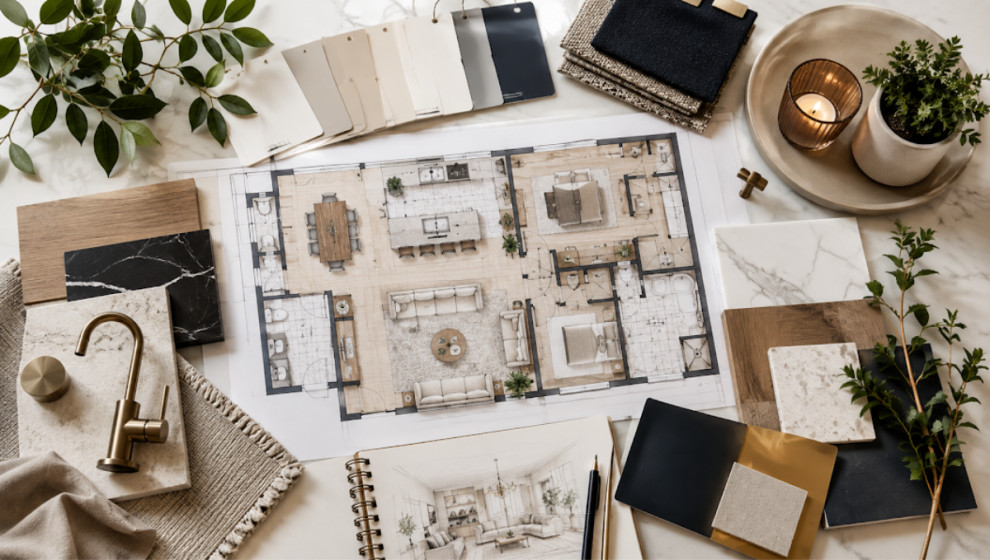
Choosing a luxury apartment style starts with your lifestyle, architecture, and personal taste rather than a trend.
Contemporary, modern classic, minimalist, transitional, Art Deco-inspired, biophilic, and eclectic styles each create different moods. The right approach combines thoughtful planning, layered materials, lighting, function, and personal details to create a cohesive home that feels genuinely yours.
Most luxury apartment owners face the same dilemma: they love several design styles, but none feels completely theirs. The right interior design layout begins by choosing how you want your home
to feel, function, and tell your story.
Start With Your Life, Not a Style Label
A beautiful reference photo can spark an idea, but it cannot tell you whether that design suits your mornings, family, entertaining habits, or need for quiet. Luxury works best when beauty follows
your lifestyle.
Before choosing finishes, ask yourself three questions: How do you live? What do you value? What should your home make you feel? Your answers create a stronger design brief than any trend board.
If you entertain often, you may need generous seating, clear movement paths, layered lighting, and a dining area that feels connected. If privacy matters more, softer textures, intimate zones, and controlled views may matter most.
This is where many apartment renovations go wrong. Owners select furniture room by room, then discover that the home feels disconnected. A luxury interior needs one visual story, even when every room has its own character.
Contemporary: Polished Without Feeling Cold
Contemporary interiors suit you if you enjoy clean forms, fresh materials, restrained color, and a home that feels current without becoming overly trendy. The look often relies on proportion, texture,
and carefully edited furnishings.
The risk is creating a space that feels too polished or impersonal. You can soften contemporary design with natural wood, tactile fabrics, sculptural pieces, warm metals, and artwork that carries personal meaning.
Modern Classic: Timeless With a Sharper Edge
Modern classic design gives you traditional elegance without making your apartment feel formal or dated. Think refined millwork, balanced furniture, sophisticated fabrics, and classic shapes paired
with cleaner contemporary details.
Choose this direction when you appreciate architectural character but want modern comfort. It can also work beautifullyin affluent Chicago suburbs, where established homes often benefit from
preserving character while improving function.
Minimalist: Less, But Never Empty
Minimalism is often mistaken for having verylittle furniture. True luxury minimalism is more disciplined. Every object earns its place, while material quality, proportion, light, and negative space
do the visual work.
This style suits you if clutter distracts you.The challenge is avoiding a sterile appearance. Introduce warmth through stone, timber, wool, linen, subtle curves, and one or two meaningful statement pieces.
Transitional:The Elegant Middle Ground
Transitional interiors blend traditional warmth with contemporary simplicity. If you and your partner have different tastes, this style can create common ground without forcing either person into a design they dislike.
A transitional interior design layout often combines comfortable furniture, quiet colors, classic details, modern lighting, and restrained accessories. The result feels polished today and remains adaptable as your tastes evolve.
Art Deco-Inspired: Make the Apartment Feel Special
Art Deco-inspired interiors suit homeowners who want drama, glamour, geometry, and strong visual moments. Think rich materials, curved furniture, brass accents, layered patterns, and carefully
controlled contrast.
The secret is restraint. Too many decorative elements can make the apartment feel theatrical rather than luxurious. Select one or two dramatic features, then allow quieter surfaces to create balance.
Biophilic: Bring Calm Into the Architecture
Biophilic design connects your interior with nature through plants, daylight, natural materials, organic shapes, and earthy textures. It can make a high-rise apartment feel softer and more grounded.
You do not need a jungle. A few well-placed plants, natural stone, oak, linen, woven textures, and views toward greenery can create the effect. The goal is connection, not decoration.
Eclectic Luxury: Your Story Becomes the Style
Eclectic luxury is ideal when you refuse to fit neatly into one design category. You might love a vintage chair, contemporary art, traditional millwork, sculptural lighting, and an antique rug.
The challenge is editing. Without a common thread, collected pieces can look random. Repeat a material, color family, shape, or finish to create quiet connections between seemingly different
elements.
How Do You Know Which Style Actually Fits?
Look beyond photographs. Notice what repeatedly catches your attention. Is it warm wood? Dramatic lighting? Soft neutrals? Curved furniture? Pattern? Architectural detail? These recurring
choices reveal your natural design language.
Then consider your apartment itself. Ceiling height, window placement, natural light, flooring, architectural details, room proportions, and views should influence the direction. Great design responds to the building rather than fighting it.
Your lifestyle matters just as much. A home for young children needs different materials and circulation than a sophisticated pied-à-terre. A frequent host needs different planning than
someone who values quiet evenings and private spaces.
Why Lighting Can Change the Entire Design
A luxury interior can have beautiful furniture and still feel flat if the lighting is wrong. Scale matters. So does color temperature, placement, layering, and how fixtures interact with architecture.
A skilled interior lighting designer can help you balance ambient, task, and accent lighting so the apartment changes naturally from morning to evening. Lighting should reveal texture,
highlight art, and support how you actually use each room.
Do You Need to Choose Only One Style?
Not necessarily. The strongest luxury homes often combine influences rather than follow one strict category. The key is establishing a clear design hierarchy before mixing styles.
Start with one dominant direction. Add a secondary influence. Then introduce personal pieces carefully. This creates contrast without chaos and gives your home the collected quality that many
luxury interiors achieve over time.
A Better Way to Choose Your Luxury Interior Style
Begin with a consultation, not a shopping list. Discuss your lifestyle, preferences, architectural features, budget, timeline, and long-term plans. Then develop a concept that connects these
practical needs with your aesthetic vision.
JGib Interiors follows this collaborative approach, beginning with consultation and concept
development before moving into detailed design, construction coordination, and installation oversight. The studio works across residential and commercial projects with highly personalized solutions.
The design phase can include paint, flooring, furniture, trim, hardware, window treatments, rugs, artwork, and other details. During construction and installation, the team stays involved, communicates
with contractors, and helps resolve design decisions as they arise.
That level of involvement matters because luxury is rarely created by one expensive item. It comes from hundreds of decisions working together: the scale of a sofa, the height of a pendant, the softness of a curtain, and the transition between rooms.
The Most Important Question Is Not “What Looks Expensive?”
Ask instead, “What feels like me?”
That question changes everything. Your apartment should not look like a showroom assembled from the same catalog. It should feel considered, comfortable, distinctive, and connected to the way you
live.
For homeowners preparing to sell, a carefully planned refresh can also create stronger market appeal. JGib Interiors offers strategic refresh projects focused on high-impact improvements, with typical project timelines of 14–30 days.
The right style gives you a foundation. Personal details give it meaning. Professional guidance brings the pieces together, protects the design direction, and helps turn a beautiful concept into a finished space you can enjoy every day.
Ready to Make Your Apartment Feel Like Yours?
Jennifer Gibson from JGIB Interiors; we create personalized, story-driven interiors and guide you from concept through completion. Explore our portfolio and services, then call (847) 232-6795 or email jgibinteriors@gmail.com to begin.
Frequently Asked Questions
1. What is the best interior design style for a luxury apartment?
The best style reflects your lifestyle, architecture, comfort needs, and personal taste. Contemporary, transitional, minimalist, and eclectic approaches can all create sophisticated luxury.
2. Is transitional design suitable for a luxury apartment?
Yes. Transitional design combines classic details with modern simplicity, creating an elegant, comfortable look that feels refined without appearing overly formal.
3. Can you mix different luxury interior design styles?
Yes. Choose one dominant style and add complementary influences through furniture, lighting, artwork, materials, and accessories. Repeated details keep the overall design cohesive.
4. How does lighting affect luxury apartment design?
Lighting influences mood, scale, comfort, and material appearance. Layered ambient, task, and accent lighting can make an interior feel warmer and more thoughtfully designed.
5. Should an interior designer manage the renovation?
For complex projects, professional oversight can simplify coordination. A full-service designer can help connect the concept, materials, contractors, installation, and final details.